





































As we descend into spring, it’s the perfect time for nature lovers to take a step outside and start planting to ensure a lush and flower-filled summer garden.
The popular phrase “April showers bring May flowers” is figuratively used as a reminder hard times will pass. While gardening, it’s important to remember that perseverance is important because many factors go into the growth of your garden. The amount of light, nutrients, water, soil quality, and temperature all affect how flowers will grow. With the many fluctuations of weather in April, it is important to choose hardier flowers that are less susceptible to dying. The two main types of flowers are annuals and perennials; perennials come back every year, while annuals need to be replanted each year. The best flower gardens are a vibrant mix of both; this creates a long-lasting garden that is able to stay in full bloom.
Before planting flowers, it is important to think about the soil; good prep is the start of a healthy flower season. Start by killing or pulling all weeds to ensure a clean slate to plant new flowers, and wait for the annual ones to flourish. If the perennials have already been growing, it may be good to trim them back in order to have space for anything new. Now that the garden is cleaned up, it’s time to start planting!
Annual
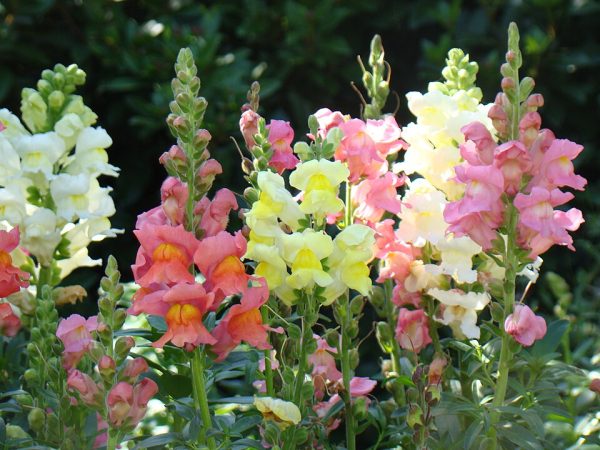
Snapdragons are great for early spring planting, as they are very tolerant of the cold and hard to kill; these are great factors for growing plants in changing conditions. They grow best in cooler temperatures with full sun, also requiring well-drained soil. Despite their hardiness, waiting until after any harsh frost to plant. Snapdragons may not survive a hard frost. While snapdragons grow well, there are many reasons people like flowers, such as the assorted range of colors, butterfly-attracting properties, and even the variety of types.
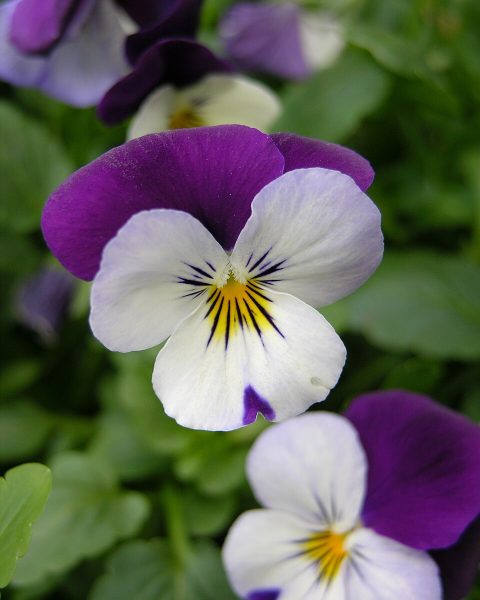
Pansy
Viola Wittrockiana, also known as pansies, comes in a variety of colors, such as apricot, maroon, white, rose, bicolor, and more. These smaller flowers can grow from 6 to 12 inches and typically bloom between March and October. Pansies like to have full sun with only a bit of shade, and keeping the soil well-drained is important for their growth.
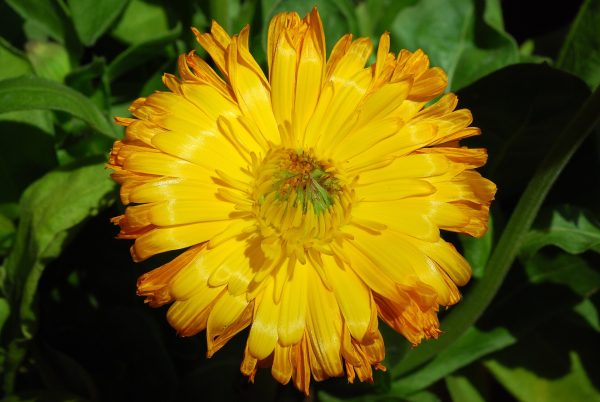
Calendula
Part of the daisy family, Calendula is a beautiful flower, along with being an herb often used in leafy salads, as seasoning, or a garnish. The common name for Calendula is a “pot marigold,” not to be confused with real marigolds, which are a part of a different family. Typically, they are bright yellow or orange and thrive in full sun with well-drained soil. Despite the positives of Calendula, they do have issues with aphids, powdery mildew, and occasionally struggle with the cucumber mosaic virus. Typically, once the weather cools down, these issues straighten out, though.
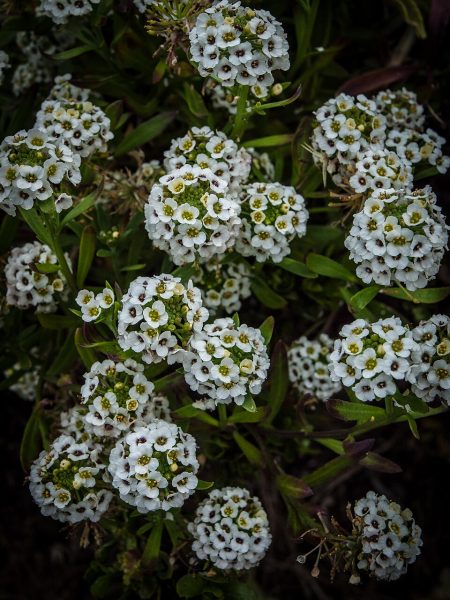
Sweet Asylum
The full and round purple and white flowers of sweet asylum provide a honey-like fragrance, attracting many pollinators. These tiny groups of flowers grow best with full sun in cooler climates and part sun in hotter climates. Sweet asylum grows best with consistent moisture but also can tolerate short dry periods. The shallow-rooted plant is great for spreading and filling in empty spaces or for a seasonal ground cover.
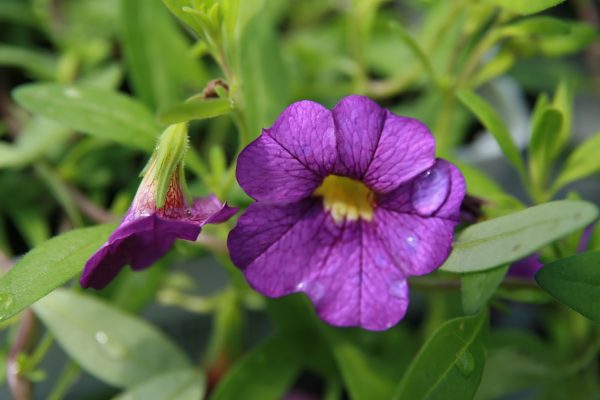
Calibrachoa
The common name for Calibrachoa is million bells or super bells because they produce large groupings of very small flowers, yet only grow up to 9 inches. Growing million bells isn’t very difficult due to their drought resistance; if possible, they prefer moist soil. The most important factor in growing these little flowers is sunlight; the more shade that covers the superbells, the less the colorful flowers grow. The options for colors are endless, with violet, blue, pink, magenta, yellow, bronze, and white all being options. While Calibrachoa is lovely anywhere, the best uses are to cover small amounts of ground and as outdoor hanging baskets.
Perennials
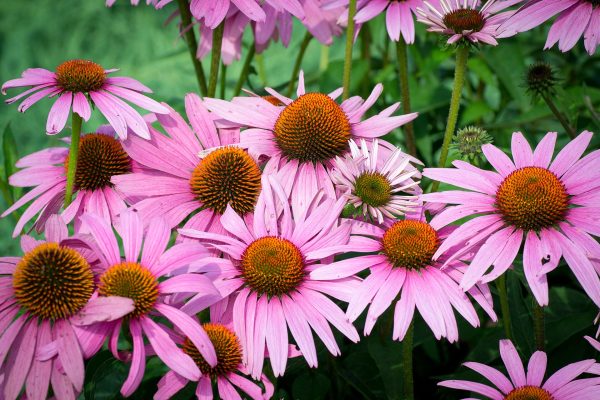
Coneflowers
The distinct shape of coneflowers makes them a special addition to any garden. Coneflowers flourish in full sun or part shade and evenly moist soil. Even though evenly wet and high-draining soil is preferred, coneflower is quite drought-tolerant. A huge positive is that coneflower is deer resident but there are a plethora of diseases coneflower can contract, all with varying solutions. The beauty outweighs the cons with the ability for pink, purple, white, and yellow petals.
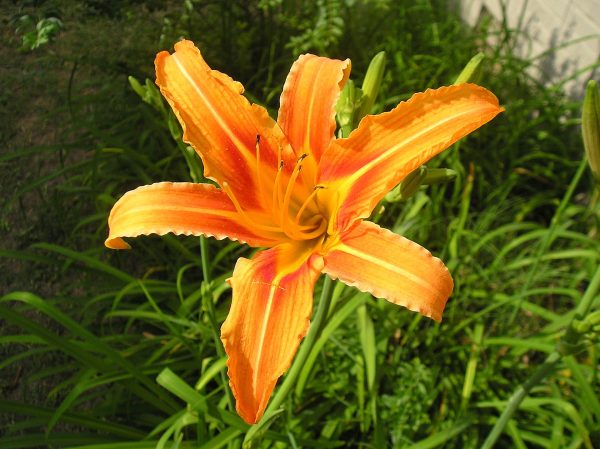
Daylily
Daylilies can reach up to 5 feet tall; their show-stopping colors occur in almost every shade. The care for daylilies is very simple. Once they are planted, they are very hardy but prefer rich, well-draining soil with consistent moisture and full sunlight. The name daylily comes from the fact that each flower blooms for just one day, but the stems bloom multiple times over several weeks. They are a perfect low-maintenance choice to boost the appearance of your flower garden.
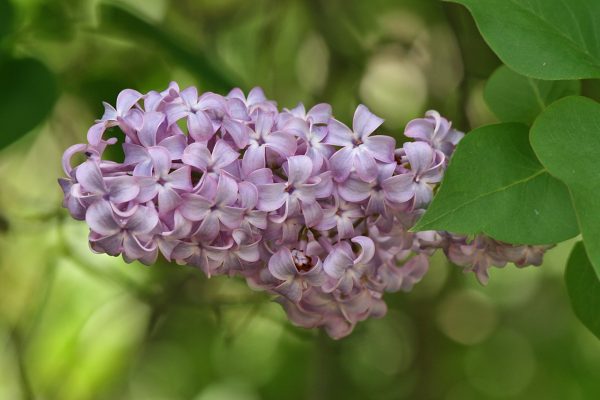
Lilac
Although lilacs have a delicate and flowery look, it’s actually considered a garden shrub. Lilacs are best known for the sweet aroma it exudes and their purple, pink, and white colors. They are moderately easy to grow if you ensure there is well-draining soil because they cannot withstand soggy or too wet conditions. They should be planted in an area that receives at least 6 hours of sunlight. The versatility of lilac is endless, with its ability to add to a landscape.
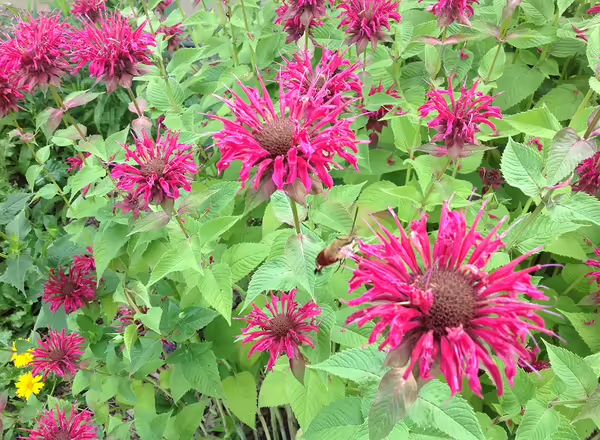
Beebalm
Unsurprisingly enough, beebalm attracts bees and many other pollinators, even hummingbirds. The previous use of bee balm was to relieve the effects of bee stings. As a native to Illinois, beebalm thrives in full sun, but appreciates a little shade and needs moist, well-draining soil. These are self-seeding flowers, meaning they are able to spread without human interaction so cutting them before they die is imperative. The unique shape and vibrant color of beebalm make a bright statement and beautiful addition to any place.
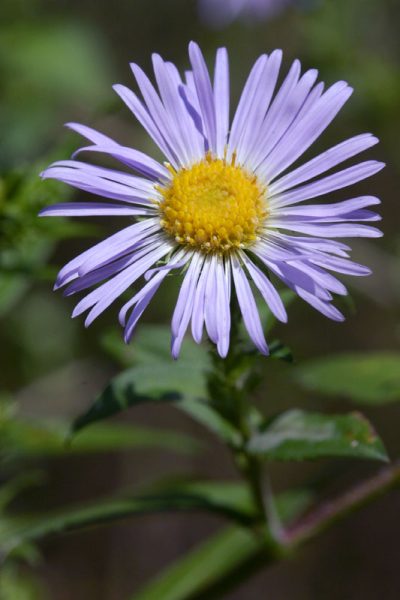
Aster
There are over 600 species of aster with a very diverse group of colors, hybrid aster comes in flashier colors than what grown in the wild, but all asters are pollinator attractors. These flowers attract bees, butterflies, and even sometimes birds! Plant after the last frost in a full sun area with well-draining, fertile soil. The shades vary from purple, white, and blue, adding to its versatility when being used in rock gardens, borders, or wildflower gardens.
Ms. Flugge, a teacher at Central High School, shared this photo of her garden with a beautiful arrangement of tulips. Tulips aren’t the only flowers she plants, though. “In April, it’s still too cool to plant most of your summer annuals. So right now I’ve got pansies, ranunculas, snapdragons, and dianthus. One thing you can do if you want flowers in April is plant bulbs in the fall. So I’ve got tons of tulips and daffodils in blossom right now,” she said.
Personal Gardens
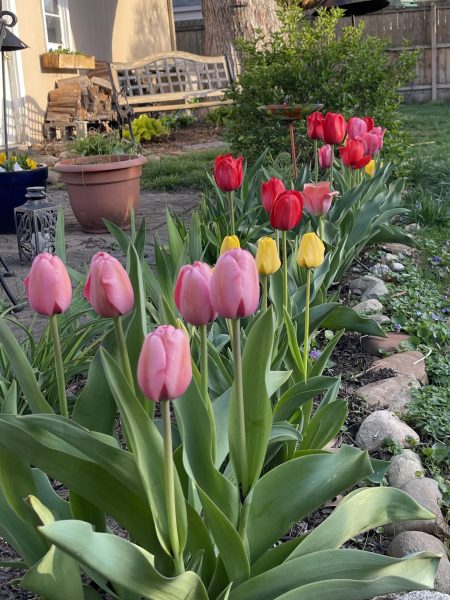
Ms. Flugge, a teacher at Central High School, shared this photo of her garden with a beautiful arrangement of tulips. Tulips aren’t the only flowers she plants, though. “In April, it’s still too cool to plant most of your summer annuals. So right now I’ve got pansies, ranunculas, snapdragons, and dianthus. One thing you can do if you want flowers in April is plant bulbs in the fall. So I’ve got tons of tulips and daffodils in blossom right now,” she said.
Every new gardener goes through a trial and error phase, before giving up, it’s important to try and problem solve. Flower gardening can have many issues, like powdery mildew, aphids, and more.
“Don’t be afraid to experiment. If something goes wrong, try something else,” and “Aphids are really bad sometimes, but I’ve ordered ladybugs from garden places before, which will come take care of that, or you can wipe them off the plant with, like, rubbing alcohol,” Ms. Flugge said.
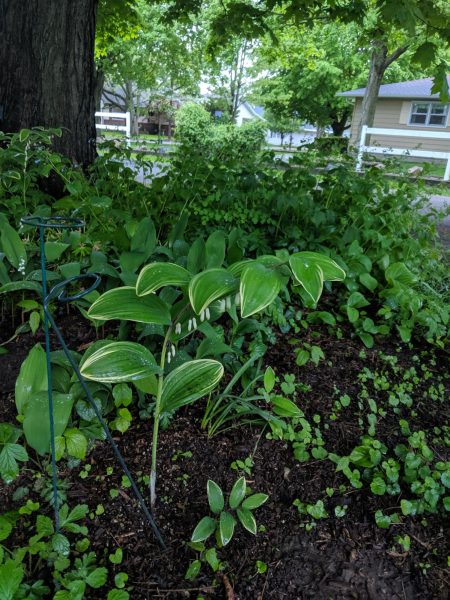
Laura Stern, an avid gardener, shared this picture of her Solomon’s seal, which is a perennial, “The most difficult plant that I have ever grown is Solomon’s seal. As a new gardener, I received a very small rhizome as a gift and planted it, not knowing that they are very slow-growing. For several years, I was incessantly worried that it was going to die and was constantly watering it and adding compost to the soil. And then one year, it really started to flourish. Now, I completely ignore it and there are baby Solomon’s seal plants spread all over my garden. I am very proud of that little plant every time I look at my garden,” she said.
Being considerate of what you’re planting is important, especially for the surrounding nature. Introducing an invasive species can be detrimental to your local environment.
Ms. Stern describes the importance of natural wildlife, “Always try to plant native plants and trees when possible. They are easy to care for, as they are adapted to our local climate, and they are beneficial to other local species. For example, oak trees are considered a keystone species. One oak tree can host almost 500 caterpillar species, while non-native species, such as Bradford Pear, only support 5 species. Bradford pear trees are also considered invasive and crowd out our native plants.”
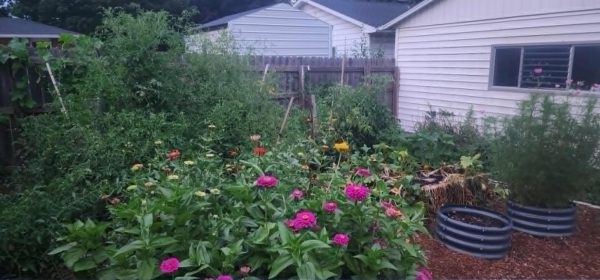
This photo is a picture of a garden from last year with luffa growing over the fence. Jenni Stevenson went to a lecture on the importance of dirt quality when growing plants. checking the PH and a good consistency of not too sandy or loamy. Along with solid quality, some flowers tend to be harder than others. “Dahlias from seed. I’ve planted 12 different varieties of dahlias this year, and 10 kinds didn’t even sprout. It’s my first year with them, though, so I will learn and be back next year,” she said.
Perseverance is very important in the garden. A trowel is a garden tool with a flat, pointed, metal blade, which is good for digging holes, moving soil, and more. It’s one of the most versatile garden tools.
“I keep a small pot filled with sand next to my potting area and clean off and store my trowel. This is a good way to clean, store, and sharpen your trowel,” Jenni said.
Not all parts of gardening are fun; dealing with bugs, weeds, and more isn’t always the best, but the fun parts tend to outweigh the negatives.
“My least favorite part is dealing with the weeds,” Sabrina Adrulis said. She shared that her love for gardening came from the relaxation it provides and watching seeds grow into beautiful flowers this time of year. “Gardening can improve your mental health, and there are studies that it can even help heal the body,” she said.