





































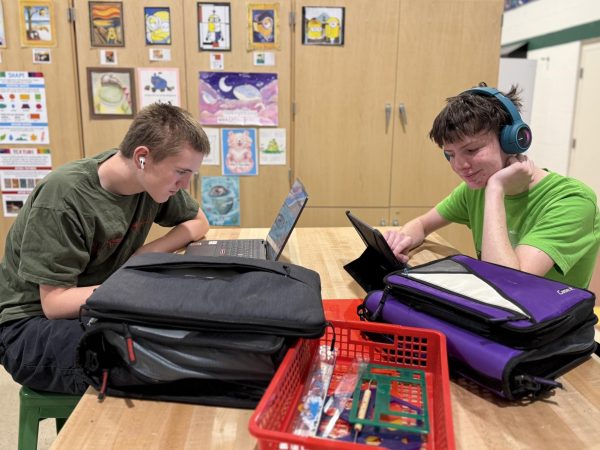
Central’s students and teachers seem to have mixed feelings about music. Studies have shown that the presence of background changes cognitive tasks like reading or writing. Music in class mostly depends on the teacher, with some letting students listen to their own music and some playing their own music for the class. Music can vary very drastically depending on the student, which is why students should be able to listen to their own music independently.
At my small school last year, Countryside School, listening to our own music during class was a rare occurrence, and we could listen to our own music during work. Most of the time, work time is filled with our teacher’s cheesy and old playlists. The school gave our study hall periods the freedom of listening to music as a “test” to see how it went, but eventually it became a permanent part of study hall. That experiment let some interesting features of music slip through the cracks. The class became a lot quieter because everyone was more focused on their music than the random side conversations we might have had otherwise.
There have been many studies that assess the impacts of background music for cognitive tasks, specifically for schoolwork. Multitasking is defined as doing more than one task at once; it’s like doing two chores at once. Music is no exception to multitasking. Research has proven that multitasking lowers our ability to do one of the tasks. “Studies show our reading comprehension struggles in combination with music because the multitasking takes us out of what we call flow state. Flow state is the ability to lock in on one thing,” said Mr. Clegg, Central’s school psychologist.
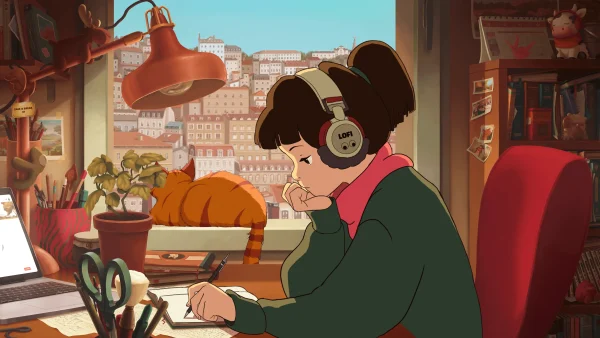
Many classrooms have started playing instrumental music during work time to make studying a bit less stressful. One of the more common types of classroom music in school is a genre called “lofi,” which usually has very mellow and relaxing music. This has become very popular, with there being many different covers of popular songs to replicate the calming feeling that lofi brings.
The type of music someone decides to listen to can also change how someone may act during cognitive functions. “Specific music activates and psychs specific people up and activates a part in your brain to give you energy,” said Mr. Clegg. Some people may like specific types of music for studying like if someone likes to use intense music to hype them up, but others may like mellow music to calm them down. “If you’re in a bad mood you should be able to listen to your own music to help boost your mood,” said Nichole Hartman, a senior who is petitioning with Central’s principal, Dr. Gardner, to let students listen to music in PE.
One of the biggest reasons to listen to music can mainly be attributed to the heavy amounts of stress school can have, and music can relieve some of that stress. Some people with anxiety about work may benefit from music, so it can quiet some of the anxiety, making it easier to focus. “Some studies show how music can help very anxious people quell their anxiety during work, so that could benefit some,” said Mr. Clegg.
Almost every teacher in Central has different policies for music. Many teachers usually play music or some other background noise to take away some of the pressure of a classroom and making it more welcoming. “I think music works very well in a classroom because it helps people concentrate and takes out that awkward quietness that can happen,” said Mr. Rodems, an art teacher at Central. The things teachers play for background noise can vary depending on the general feeling of the classroom. For example, Mr. Rodems’ classroom feels very nostalgic, with it having many things making it feel like an old art studio, like many old instruments and an overall rustic vibe. Therefore, he plays many songs from the 80s and 90s to embrace that feeling.
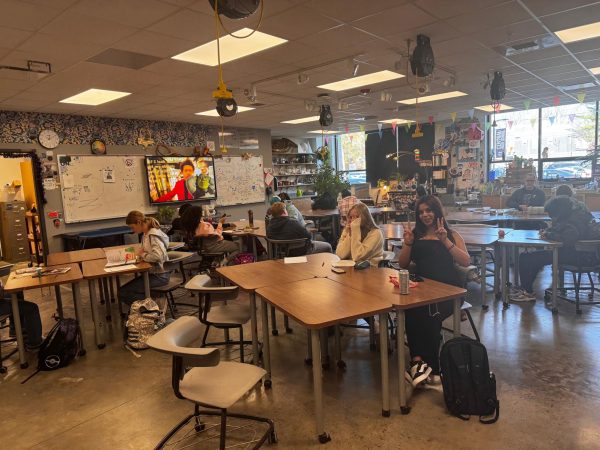
The music played can also convey parts of the teacher. “John Williams is my go-to for work, because as an English major, I have found that his music is very good to help me and other students write,” Said Mrs. Smith, a freshman English teacher in Central.
Music has become such a big part of modern-day life because of how widespread the internet has become these past years, and how new genres are made and new artists are emerging every day. Nearly everywhere, music can play a role into how the stories of those around you fan out and sprout into amazing bustling places and give just a bit of good back to the world. “Music just makes people happy, and we should be able to express that and have that freedom to help us,” said Hartman.
